
Residential solar PV systems
Solar that makes sense for your home.
A solar system should do more than fit your roof. It should make sense for how you use energy today and where your household is heading.
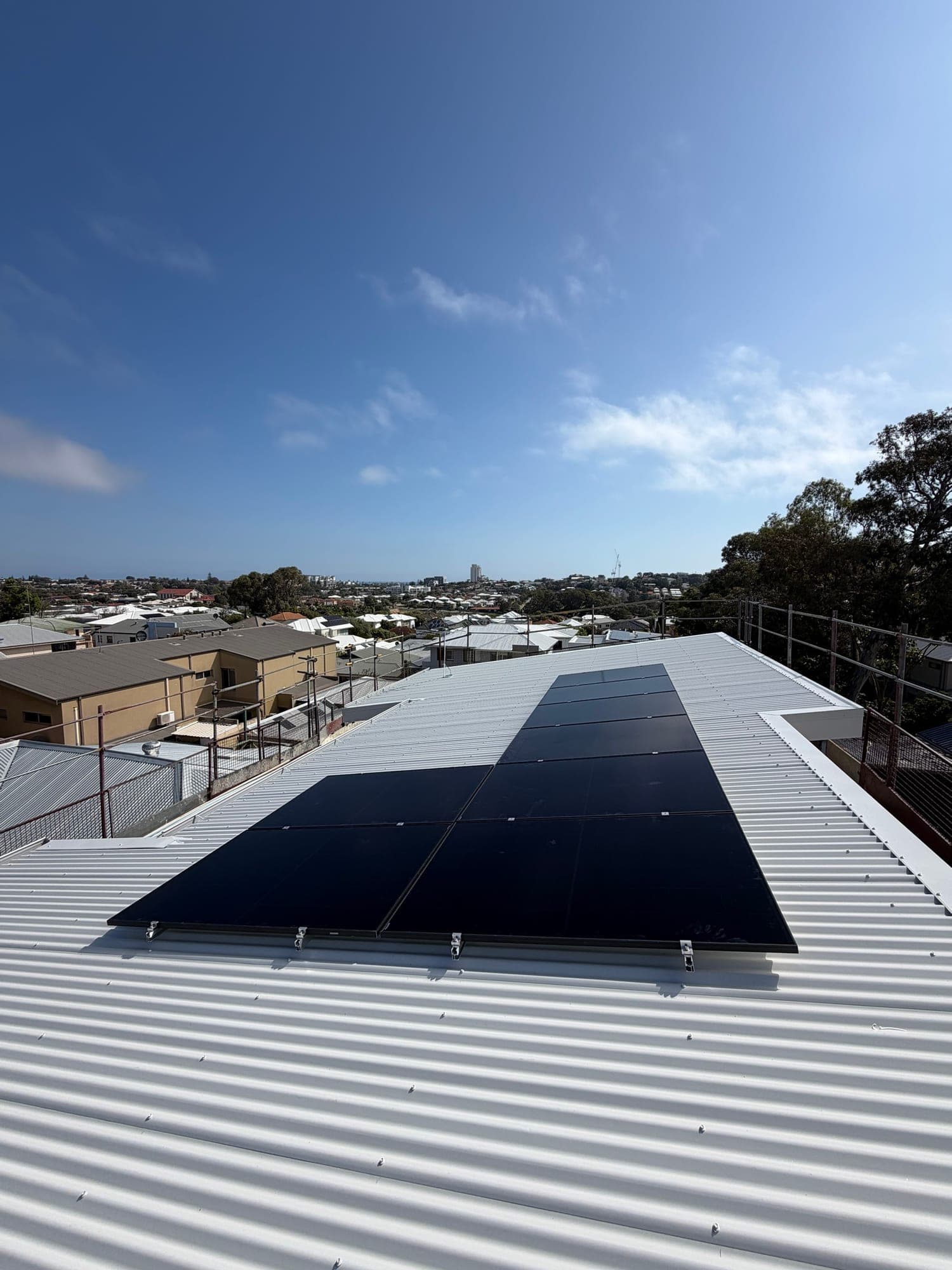
Solar PV
Designed around your home. Not a standard package.
No two homes use electricity in quite the same way. Your roof, household habits, daytime consumption and future plans all influence what makes a good solar system.
That’s why we look at the bigger picture before recommending panels and an inverter.
Whether you’re installing solar for the first time or planning for a future battery or electric vehicle, we’ll help you find a setup that makes sense.
What we do
Solar solutions for today and tomorrow.
New residential solar installations
Complete solar PV systems designed around your home, electricity usage and available roof space.
Single-phase and three-phase solar
Suitable inverter and system configurations based on the property’s electrical supply and applicable network requirements.
Solar system design and sizing
Consideration of electricity usage, roof orientation, shading, available space and future energy needs.
Battery-ready solar systems
Planning for potential battery storage so future options are considered from the beginning.
Solar panel and inverter selection
Help choosing suitable equipment based on performance, compatibility, warranty terms and budget.
Solar upgrades and expansions
Assess existing installations and opportunities for additional generation or equipment replacement where technically appropriate.
See also:Solar & BatteriesBattery StorageInverter ReplacementsSolar Health ChecksEV Charger InstallationsSolar in KallarooSolar in Burns BeachSolar in CurrambineSolar in Ocean Reef
System design & sizing
How much solar does your home actually need?
The right system size isn’t simply the biggest one that fits on your roof.
We consider how much electricity your home uses, when you use it and whether your energy needs are likely to change.
A household planning to add a battery, electric vehicle or electric hot water system may have different requirements from one focused on reducing daytime grid consumption.
Electricity usage
Your current consumption and daily usage patterns.
Roof layout
Available space, orientation, pitch and shading.
Electrical supply
Single-phase or three-phase supply, inverter configuration and applicable network requirements.
Future plans
Potential batteries, EV charging, electrification or increased household consumption.
Budget
Balancing system cost, expected performance and long-term value.
Free Home Energy Assessment
Not sure where to start?
Tell us a little about your home and how you use electricity. Our free Home Energy Assessment helps you explore solar and battery options based on your needs, with the option to request a personalised proposal.
How it works
- 1Tell us about your home
- 2See what suits your usage
- 3Talk through next steps with us
Equipment & quality
Good equipment matters. So does how it’s designed.
Panels and inverters are only part of the picture. System layout, equipment compatibility, electrical design and installation quality all influence how well a solar system performs.
We’ll help you understand the equipment options and recommend a configuration suited to your property and priorities.
- Solar panel selection
- Inverter selection
- System compatibility
- Roof layout and string design
- Monitoring capabilities
- Manufacturer warranties
- Future battery compatibility
Our process
From the first conversation to generating your own power.
Step 01
Understand your home
We review your electricity usage, roof layout, electrical supply and what you want from solar.
Step 02
Design your system
We recommend suitable equipment and a system configuration based on your requirements.
Step 03
Install
We complete the agreed installation and associated electrical work, subject to required approvals and site conditions.
Step 04
Test and hand over
We complete applicable testing and commissioning, explain the monitoring and provide the required installation documentation.
Why Westcoast
Good advice before good equipment.
Solar is a long-term investment, and there’s more to choosing a system than comparing panel counts and inverter sizes.
We’ll explain your options clearly, help you understand the trade-offs and recommend a system that fits your home and future plans.
Our focus is on thoughtful design, quality installation and making the whole process easier to understand.
Founder-led local business
A Perth business that is locally owned and led by its founders.
Clear communication
Plain-English advice on your options and the trade-offs.
Upfront pricing
A clear proposal, so you know what to expect before work begins.
Practical system recommendations
A system that fits your home and plans, not a standard package.
Solar PV accreditation
Both founders hold Solar Accreditation Australia accreditation.
Professional electrical installation
Carried out by a licensed electrical contractor.
Recent solar installations
Solar designed for real homes.
A closer look at solar installations completed by the Westcoast team.
FAQs
Solar questions
Quick answers to common questions. If yours isn't here, give us a call.
It depends on your electricity usage, roof space, electrical supply and future plans. We’ll review these factors and recommend a system suited to your home rather than relying on a standard package size.
Not necessarily. A larger system can generate more electricity, but the value depends on how much energy you use, when you use it, export arrangements and the overall installation cost.
Often, yes. The options depend on your inverter, electrical configuration and the battery system you choose. If you’re considering storage in the future, it’s worth planning for it during the initial solar design.
Solar can still be suitable for some partially shaded roofs, but shading can affect generation. We’ll assess the roof layout and discuss appropriate system design options.
Not always. The appropriate inverter configuration depends on the proposed system, site requirements and applicable network rules. We’ll assess the options for your property.
Installation time depends on system size, roof access, electrical work and site conditions. We’ll explain the expected timeframe when preparing your proposal.
Most standard grid-connected solar systems shut down during a grid outage for safety. Backup operation requires compatible equipment and an appropriately designed and installed backup system.
We can explain the applicable incentive and approval processes for your proposed installation. Eligibility, available incentives and network requirements depend on the system and current rules.
Get in touch
Let’s find the right solar setup for your home.
Whether you’re ready to install solar or still comparing your options, tell us what you’re planning and we’ll help you work out the next step.
Start Your Free Energy Assessment →